
Vehicle Ergonomics Training: Reduce Injury Risk for Drivers & Mobile Workers
Why Vehicle Ergonomics Is a Growing Workplace Risk
When people think about workplace ergonomics, they often think about desks and office setups.
But in reality, one of the most overlooked injury risks in the workplace is:
👉 vehicle ergonomics
Workers who:
- Drive for long periods
- Work from vehicles
- Load and unload equipment
are exposed to significant musculoskeletal strain if their vehicle setup and work habits aren’t correct.
Poor vehicle setup and repetitive driving tasks can lead to:
- Lower back pain
- Neck stiffness
- Shoulder and upper limb injuries
- Fatigue and reduced concentration
And the biggest issue?
👉 Most workers are never trained properly.
🎥 Free Vehicle Ergonomics Videos
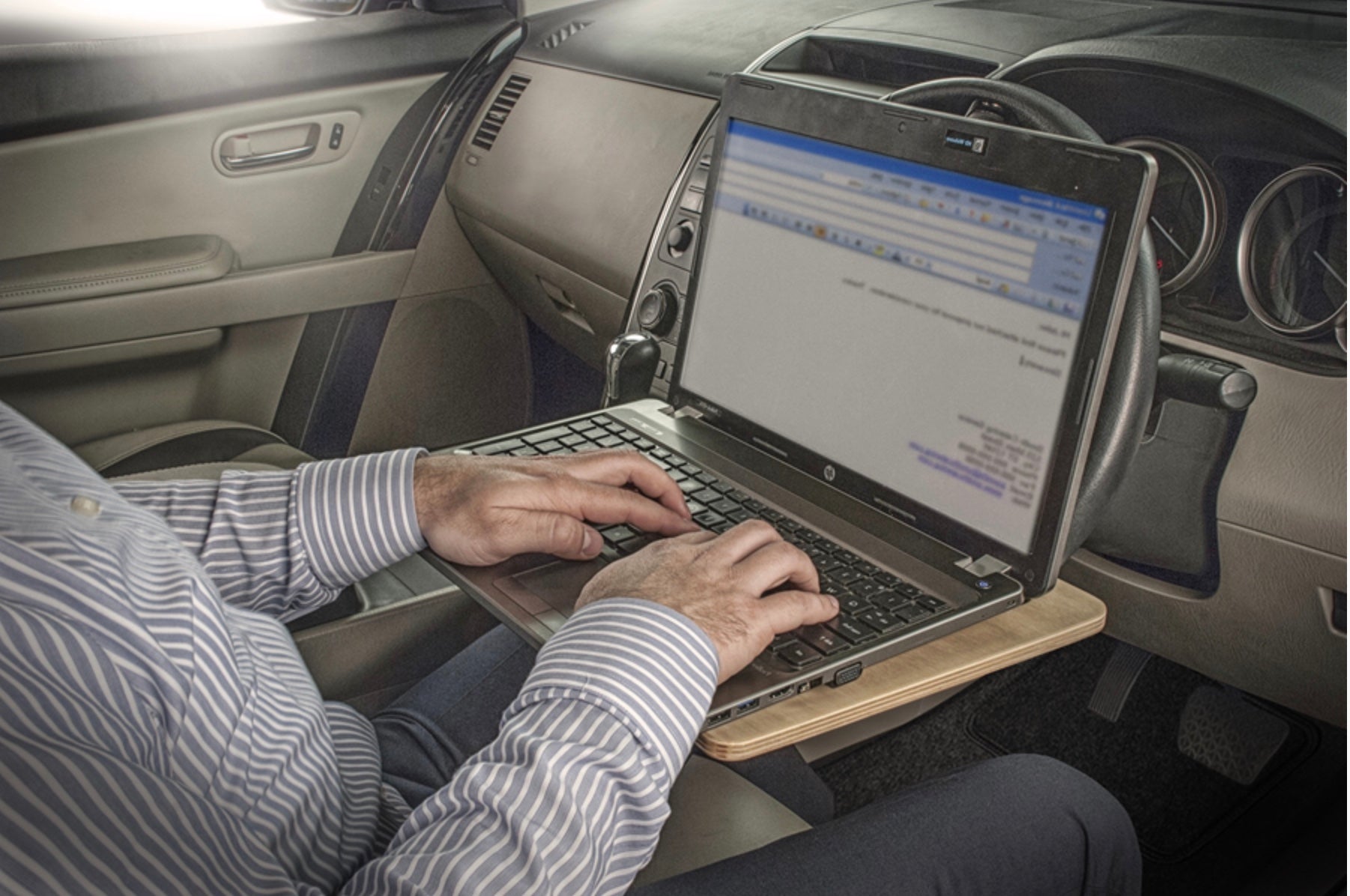
At Corporate Work Health Australia, we provide free vehicle ergonomics videos to help individuals and organisations improve safety immediately.
👉 Access the vehicle ergonomics videos here:
https://corporateworkhealth.com.au/resources/videos/vehicle/
These videos cover:
- How to adjust your vehicle seat correctly
- Safe entering and exiting of vehicles
- Working within a vehicle (laptop, admin tasks)
- Loading and unloading equipment safely
- Manual handling considerations around vehicles
These resources are designed to be practical, visual, and easy to apply.
What Is Vehicle Ergonomics?
Vehicle ergonomics focuses on:
- How a worker sits and drives
- How they enter and exit the vehicle
- How they perform tasks inside the vehicle
- How they handle equipment and loads
Training in this area helps reduce exposure to repetitive strain and poor posture — two key contributors to workplace injury.
Why Vehicle Ergonomics Training Matters
Without proper training, workers often:
- Sit too far from the steering wheel
- Use poor lumbar support
- Twist and reach excessively
- Lift and carry equipment incorrectly
Over time, this leads to:
- Increased injury risk
- Reduced productivity
- Higher absenteeism
- Greater workers compensation exposure
Providing structured vehicle ergonomics training helps organisations:
- Reduce musculoskeletal injuries
- Improve driver comfort and performance
- Support WHS compliance
- Create consistent safe work practices
Who Needs Vehicle Ergonomics Training?
Vehicle ergonomics training is essential for:
- Delivery drivers and couriers
- Sales representatives
- Tradies and field workers
- Road crews and engineers
- Transport and logistics teams
- Any worker who drives as part of their role
👉 If your workforce spends time in vehicles, this is a high-impact, often ignored risk area.
Why Video-Based Training Works
Traditional training methods (PDFs, policies, toolbox talks) often fail because:
- They’re not visual
- They’re not retained
- They’re inconsistent across teams
Video-based training solves this by:
- Showing exactly what “good setup” looks like
- Providing consistent education across locations
- Being accessible anytime (office, home, on-site)
- Scaling easily across large organisations
CWHA’s ergonomic videos are designed to be:
- Embedded into LMS systems
- Used for onboarding and inductions
- Applied across national workforces
From Education to Implementation: What Businesses Should Do Next
Free videos are a great starting point — but to fully manage risk, organisations should combine them with structured solutions.
At Corporate Work Health Australia, we support organisations with:
✔ Vehicle Ergonomic Assessments
Assess driver posture, setup, and task demands in real-world environments
👉 Learn more:
https://corporateworkhealth.com.au/assessments/ergonomic/vehicle-driver/
✔ Ergonomic Training Workshops
Delivered face-to-face or online
✔ Custom Vehicle Ergonomics Training Videos
Tailored to your vehicles, tasks, and workflows
✔ Online Ergonomic Courses
For ongoing staff education and compliance
These solutions help move from:
👉 Awareness → Behaviour change → Risk reduction
Key Vehicle Ergonomics Tips (Quick Wins)
Even small adjustments can make a significant difference:
- ✔ Adjust seat height so hips are level with or slightly above knees
- ✔ Maintain slight bend in elbows when holding the steering wheel
- ✔ Use lumbar support to maintain spinal alignment
- ✔ Keep frequently used items within easy reach
- ✔ Avoid twisting when loading/unloading — step and turn instead
- ✔ Take regular breaks during long drives
The Bottom Line
Vehicle ergonomics is one of the most underestimated workplace risks — but also one of the easiest to improve.
With the right education and systems in place, organisations can:
- Reduce injuries
- Improve worker comfort
- Increase productivity
- Strengthen WHS compliance
Start Improving Vehicle Ergonomics Today
👉 Access free vehicle ergonomics videos:
https://corporateworkhealth.com.au/resources/videos/vehicle/
👉 Explore ergonomic assessments and training:
https://corporateworkhealth.com.au
Or contact Corporate Work Health Australia to discuss:
- Vehicle ergonomic assessments
- Custom training solutions
- Scalable WHS programs