
Manual Handling Training Wollongong
Face to face, online or customised manual handling training for Wollongong and Illawarra workplaces.
> Delivered by experienced physiotherapists, osteopaths and exercise physiologists who understand hazardous manual tasks, body mechanics and workplace injury prevention.
> Manual handling training for Wollongong teams across healthcare, aged care, education, construction, manufacturing, warehousing, logistics, hospitality, government and office environments.
> Practical training for lifting, carrying, pushing, pulling, lowering, reaching, repetitive movements and awkward postures using examples from your own workplace.
> Onsite, online and customised training options are available for single site teams, multi site organisations and workers spread across the Illawarra.
> Manual handling risk assessments can identify task, equipment, layout and workflow issues that standard lifting instruction may not fix.
> Your organisation receives practical recommendations, reporting and ongoing support to help reduce injury risk and improve safe manual task habits.
Corporate Work Health Australia helps Wollongong organisations reduce manual task injury risk through tailored training and practical workplace assessment. Our manual handling training Wollongong programs can be built around the real tasks your employees perform, whether they are handling stock, equipment, tools, furniture, patients, supplies, materials or office items. We also provide manual handling assessment Wollongong services to help identify hazardous manual tasks and shape workplace manual handling training around the risks that matter most. The result is a safe manual handling course that is relevant to the work your team actually does.
Custom Manual Handling Training
Increase Productivity, Prevent Injuries And Avoid Compensation Claims
Wollongong teams need manual handling training that reflects real work, not generic lifting rules
Manual handling risk in Wollongong workplaces can take many forms. A worker might unload a delivery at the start of the day, move equipment between work areas, set up a room, push a trolley, carry supplies, handle stock, assist a client or work at an awkward height during a busy shift. The risks can change from one task to the next and may be very different between employees working in the same organisation.
That is why basic lifting advice is not enough on its own. Workers need to understand the factors that can make hazardous manual tasks more demanding, including force, repetition, sustained posture, awkward movement, poor grip, unstable or awkward loads, limited space, time pressure and unsuitable equipment. In some cases, the way the task is designed creates more risk than the worker’s technique.
CWHA can tailor training to the workplace and, where useful, observe the tasks that create the most concern. This gives employers a clearer picture of where improvements may be needed and helps workers apply safer strategies in the context of their real duties. The aim is to support safer systems of work rather than placing all responsibility on the individual employee.
Construction businesses can explore construction manual handling training designed to address the physical demands and hazardous manual tasks commonly found on worksites.
Organisations Who Trust Our Training and Assessments
government
council

nonprofit
nonprofit
nonprofit
Organisations Who Trust Our Work From Home Assessments & Ergonomic Workstation Setup
education
university

banking

finance
insurance

superannuation

accounting
legal

technology

communication
transport

logistics

mining
resources
manufacturing

agriculture
engineering
construction

property

architecture

retail
supermarket
Manual handling training options for Wollongong workplaces, worksites and multi site teams
CWHA can adapt the delivery format according to your industry, workforce size, job tasks, risk profile and training goals. Your organisation may need a practical onsite session, an online program for staff across different locations, a detailed manual handling assessment, or customised training resources that can be used again for new employees and refresher training.
Onsite training using your actual work environment
Onsite manual handling training gives workers the chance to practise safer strategies in the environment where the risk occurs. This may include store rooms, loading areas, wards, classrooms, workshops, depots, kitchens, stockrooms, vehicles, construction sites or office support areas.
Using the workplace itself makes the session more useful because employees can see how manual handling principles apply to the equipment, space and tasks they deal with each day, rather than relying on examples taken from an unrelated industry.
Task specific manual handling assessments
A manual handling assessment can help identify higher risk tasks before training begins or as part of a broader injury prevention program. The assessor may consider task design, working height, force, repetition, load handling, reach distance, equipment, staffing, storage layout and workflow.
This can help the employer decide whether the best response is training alone or whether other changes are also needed. These may include better equipment, different storage arrangements, workflow changes, mechanical aids, additional staff education or closer supervision.
Healthcare employers can also explore healthcare manual handling training focused on the specific handling requirements of clinical and care environments.
Online manual handling training for dispersed Illawarra teams
Online manual handling training can support organisations with employees across Wollongong, Shellharbour, Dapto, Corrimal, Unanderra, Port Kembla, Kiama, Nowra and surrounding areas.
This format can work well for induction, refresher training, supervisors, office based employees, hybrid teams and employers operating from several sites. It also helps organisations deliver consistent safety information when bringing everyone together for one onsite session is difficult.
Custom video training for repeated tasks and inductions
Some organisations benefit from customised video training that demonstrates their own equipment, manual tasks and expected safe work procedures. These resources can support new starters, casual employees, seasonal teams, refresher programs and organisations operating from multiple locations.
For employers with recurring tasks, video content can provide a consistent reference that supervisors and employees can return to when reinforcing safer work practices.
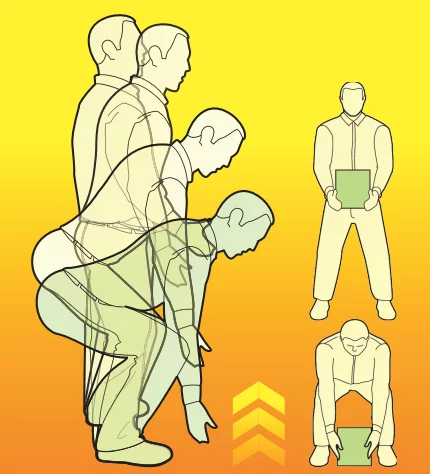
What your Wollongong manual handling course can cover
An effective manual handling course should help workers recognise risk, make better decisions and apply safer strategies to their normal duties. It should cover much more than keeping the back straight or bending the knees. Employees need to understand how force, repetition, awkward posture, load distance, speed, fatigue, grip and environmental conditions can affect how demanding a task becomes.
Depending on the workplace, training may cover safe lifting, carrying, pushing, pulling and lowering principles, recognising hazardous manual task risk factors and using trolleys, hoists, mechanical aids and other handling equipment where appropriate. It can also address twisting, overreaching, awkward postures, repeated movements, sustained positions and the way workers communicate during shared or team handling tasks.
Training may also consider storage height, workplace layout, clear access paths, early reporting of discomfort and the practical steps employees can take when a task does not feel safe. The final content should always reflect the work being performed. An aged care team, manufacturing crew, construction business, hospitality venue, warehouse, school or office will each need different examples and practical applications.
Why manual handling assessments can be more useful than training alone
Some injury risks cannot be solved simply by changing the way an employee lifts. If staff are regularly picking loads up from floor level, twisting in confined areas, moving unstable items, pushing poorly maintained trolleys, carrying materials over long distances or repeating the same forceful movement throughout a shift, the job itself may need to change.
CWHA’s manual handling assessments can help employers identify these underlying risks and consider practical improvements. Recommendations may include equipment changes, different storage heights, layout adjustments, mechanical aids, revised workflows, team handling strategies, safer work procedures or follow up training.
Industries and roles we train across Wollongong and the Illawarra
Manual handling risk is not limited to heavy industrial work. It can appear in hospitals, schools, hospitality venues, warehouses, retail sites, offices, construction businesses, community organisations, council teams and transport operations.
CWHA can provide training for healthcare and aged care staff, disability and community service teams, schools and universities, councils and government departments, trades and maintenance workers, manufacturing and engineering teams, warehouse and freight employees, hospitality and tourism staff, retail and supermarket workers, and office employees who move boxes, files, furniture or equipment.
Training can also be adapted for frontline workers, supervisors, team leaders, WHS staff, injured employees and people returning to modified or normal duties after injury.
A practical process from risk review to safer manual task habits
The strongest manual handling programs begin by understanding how the organisation actually works rather than delivering the same presentation to every team. CWHA can consult with your business, identify the tasks that create the most concern and then shape the training around those risks.
The process may include discussing the workplace, team roles and current concerns, identifying relevant hazardous manual tasks, observing higher risk activities where required, delivering tailored training and practising safer strategies using real examples. Reporting, recommendations and next steps can then be provided, with refresher or ongoing training available when needed.
This gives employers a clearer path from recognising that manual handling is a concern to understanding what can be changed in everyday work.
Delivered by qualified health professionals with workplace safety experience
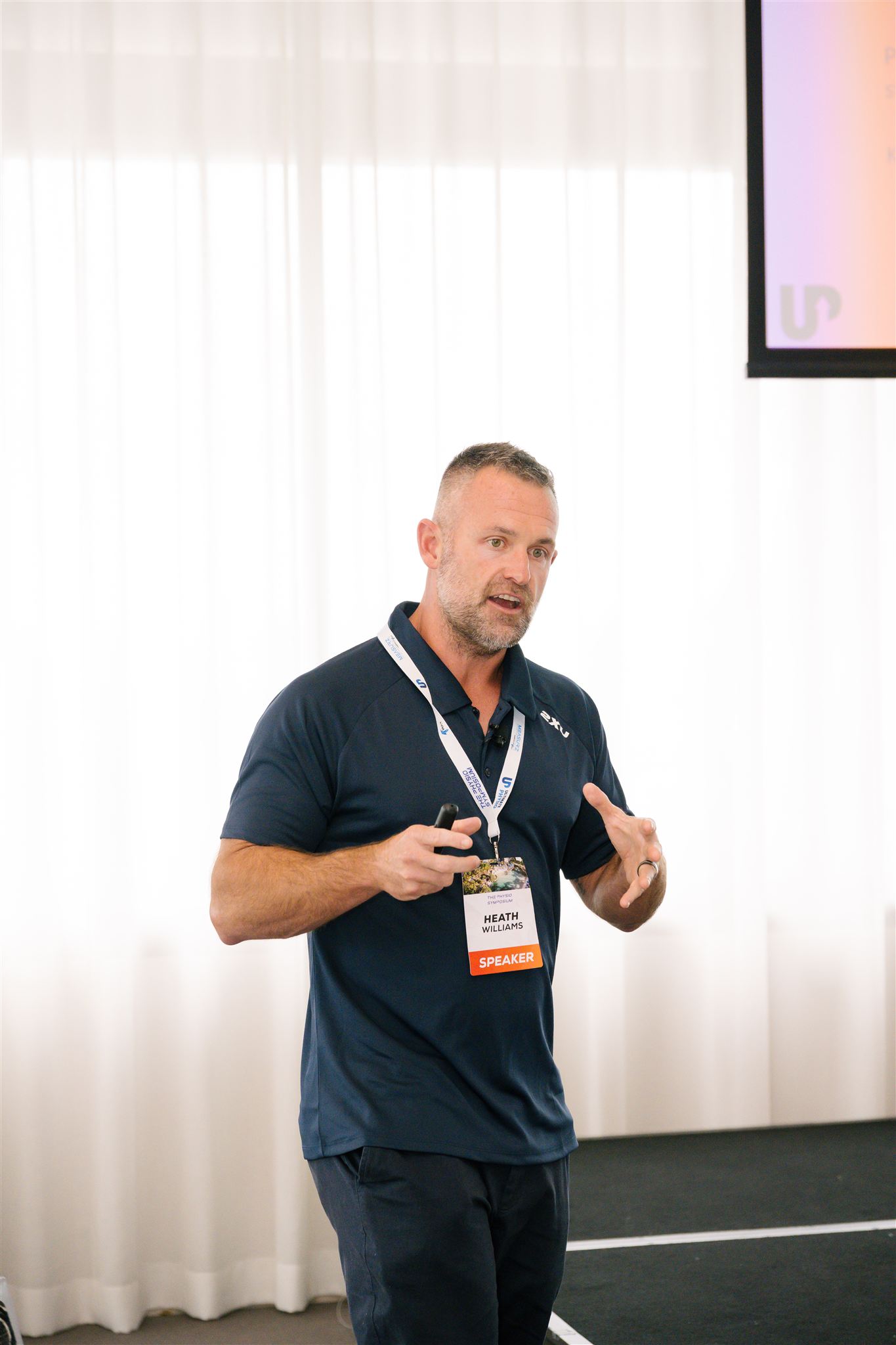
CWHA’s manual handling training is delivered by qualified health professionals, including physiotherapists, osteopaths and exercise physiologists. This is important because manual handling risk is closely connected to how the body responds to load, force, repetition, posture, fatigue and recovery.
Our team also understands workplace safety, employee communication and the need to turn technical information into practical advice. The training is designed to be easy to follow and relevant to the tasks employees perform rather than presented as abstract theory.
Corporate Work Health Australia was established in 2011 by Physiotherapist Wade Brennan and Osteopath Heath Williams. Since then, we have worked with major Australian brands, universities, government departments and businesses across a wide range of industries.
More than 7,146 workers have been trained in manual handling and hazard identification, while more than 2,912 businesses have used CWHA services. Our wider experience covers manual handling, ergonomics, workstation assessments, vehicle ergonomics and workplace wellbeing, with face to face, online and customised delivery available across Australia.
Frequently Asked Questions (FAQs)
What does manual handling training in Wollongong include?
Training may cover hazardous manual task risk factors, lifting, carrying, pushing, pulling, lowering, use of equipment, team handling, early reporting of discomfort and safer work practices.
The exact content is tailored to the organisation’s work environment, employee roles and the manual tasks that create the greatest risk.
Can you deliver the training onsite at our Wollongong workplace?
Yes. CWHA can deliver manual handling training at your workplace so employees can apply safer manual task principles to their own environment, equipment, storage areas and job duties.
This is often useful when the work involves physical tasks that are difficult to reproduce in a general training room.
Do you provide manual handling risk assessments?
Yes. CWHA can assess hazardous manual tasks, observe current work practices and recommend practical controls.
This can be particularly useful when injuries or discomfort may be linked to task design, equipment, workplace layout, storage or workflow rather than worker technique alone.
Is online manual handling training available?
Yes. Online training can support dispersed teams, induction programs, refresher sessions, supervisors, regional workers and organisations with employees spread across multiple Illawarra sites.
The format can also suit office based staff or teams that do not need a highly practical onsite component.
How long does manual handling training usually take?
Session length depends on the number of participants, the roles being trained, the delivery format and the amount of workplace customisation required.
The most appropriate duration can be confirmed during quoting once CWHA understands your organisation’s needs and the tasks that need to be covered.
Does manual handling training meet WHS requirements?
Manual handling training can support an employer’s WHS risk management process by helping workers recognise hazardous tasks and understand safer work practices.
It should still sit within a broader approach that includes identifying hazards, assessing risk, implementing suitable controls, providing supervision and reviewing whether those controls are effective. SafeWork NSW guidance also cautions against relying only on basic lifting technique training where the task itself continues to create risk.
Manual Handling Training for Wollongong Workplaces
Need manual handling training in Wollongong? Corporate Work Health Australia can customise a face to face, online or workplace specific program for your team.