
Manual Handling Training and Assessments Newcastle
Face to face, online or customised manual handling training for Newcastle and Hunter workplaces.
> Custom manual handling training for Newcastle teams across construction, manufacturing, warehousing, transport, logistics, healthcare, education, government and office environments.
> Practical manual handling assessments examine the tasks your workers actually perform, including lifting, carrying, pushing, pulling, lowering, reaching and repetitive movements.
> Training can be delivered onsite at your Newcastle workplace, online for teams across multiple locations, or developed into customised video resources for repeated use.
> Your organisation receives practical recommendations, reporting and ongoing support to help reduce injury risk and improve safe manual task practices.
> Programs can be adapted for frontline workers, supervisors, injured employees, return to work situations and internal WHS training objectives.
Custom Manual Handling Training
Increase Productivity, Prevent Injuries And Avoid Compensation Claims
Newcastle manual handling training should be built around the way your team actually works
Manual handling risks vary considerably between Newcastle workplaces. A warehouse or distribution team may spend much of the day moving stock, loading items and using pallet handling equipment, while employees on a construction site may be lifting tools, materials and awkward loads across changing work areas. Healthcare and aged care teams face a different set of risks again, while schools, universities and offices may still require employees to move furniture, equipment, archives, boxes, displays and supplies.
That is why useful training needs to go beyond telling people how to lift correctly. Workers need to understand how factors such as high force, awkward postures, repeated movements, sustained positions, vibration, poor workplace layout, unsuitable equipment and time pressure can increase the risk associated with a manual task. In many cases, changing how the work is organised can be just as important as changing how an individual moves.
Corporate Work Health Australia can combine training with workplace observation and a manual handling risk assessment. This allows our health professionals to look at how tasks are currently completed and then use those same situations during training. Workers are more likely to understand and apply safer strategies when the examples reflect the loads, equipment, spaces and pressures they encounter during a normal shift.
For organisations with distributed teams or employees unable to attend onsite sessions, online manual handling training provides a flexible alternative.
Organisations Who Trust Our Training and Assessments
government
council
nonprofit
nonprofit
nonprofit
Organisations Who Trust Our Work From Home Assessments & Ergonomic Workstation Setup
education
university

banking

finance
insurance

superannuation

accounting
legal

technology

communication
transport
logistics

mining

resources
manufacturing

agriculture
engineering
construction

property

architecture

retail
supermarket
Custom manual handling training for Newcastle workplaces, worksites and distributed teams
There is no single training format that suits every organisation. CWHA can adjust the delivery method, examples, practical components and depth of training according to your industry, employee roles, workplace risks and broader safety objectives. You may need a straightforward training session for staff, a detailed assessment of higher risk tasks, or a wider program involving supervisors and employees who can continue reinforcing safer work practices.
Onsite manual handling training at your workplace
Onsite training gives employees the opportunity to practise safer approaches in the environment where the work actually happens. Our trainers can use your work areas, tools, storage systems, materials, equipment and mechanical aids to make the session more relevant to everyday tasks. This can be particularly useful across Newcastle workshops, depots, warehouses, construction sites, schools, clinics, council facilities, distribution areas and manufacturing floors where risks are closely connected to the physical setup of the workplace.
Businesses with specific workplace risks can benefit from customised manual handling training developed around their industry, tasks and workforce.
Manual handling risk assessments before training
A manual handling risk assessment can help identify the most important issues before training begins. An assessor may observe tasks, speak with employees and supervisors, look at how equipment is being used and consider whether existing controls are appropriate. This helps prevent valuable training time being spent on general advice when the main problem may actually be storage height, workplace layout, workflow, repetitive handling, staffing arrangements, equipment selection or the way a task has been designed.
Online manual handling training for hybrid and regional teams
Online manual handling training can be a practical option for employers with staff spread across Newcastle, Lake Macquarie, Maitland, Port Stephens, the Hunter Valley and other parts of regional NSW. It can work well for administration teams, supervisors, induction or refresher training, remote employees and organisations operating across several sites. Online delivery also helps employers provide more consistent safety messaging when gathering all employees in the same physical location is difficult.
Custom video production and repeatable training resources
Some organisations need training that can be repeated regularly without starting from scratch each time. CWHA can develop custom video content showing safer manual task practices using examples that reflect your organisation’s own work. These resources can support employee induction, refresher training, supervisor coaching and consistent instruction across different teams or locations.
What your manual handling course can cover
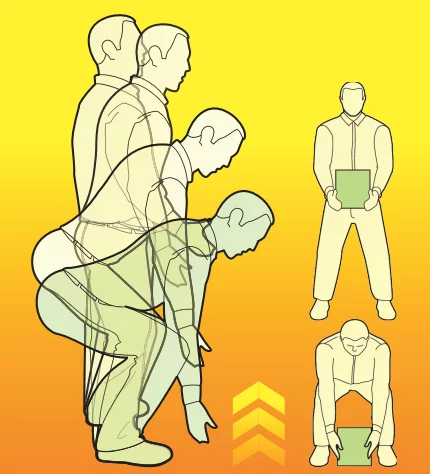
Manual handling training should help workers understand both how to perform tasks more safely and why certain tasks create greater physical demands. Lifting technique is only one part of this. Employees may also need to recognise how repetition, fatigue, poor grip, extended reaching, high force or an awkward body position can gradually increase strain across a shift. Understanding these factors makes it easier to recognise when a task needs to be changed rather than simply performed with more care.
Depending on the workplace, training may cover safe lifting, carrying, pushing, pulling and lowering techniques, recognising hazardous manual task risk factors, using mechanical aids correctly and reducing awkward postures or repeated strain. Workers may also learn how force, load size, grip, reach distance and body position influence physical demand, when team handling may be appropriate, and how work areas can be arranged to reduce unnecessary movement.
Training can also address reporting hazards and early discomfort, selecting safer strategies for common tasks and recognising when equipment, workflow or task design needs further review. The exact content should reflect the people being trained. A healthcare team assisting patients, a warehouse team moving stock and an office team handling archives or equipment should not be given the same set of examples.
Manual handling assessments can help identify risks training alone may miss
Training can improve knowledge and work practices, but it cannot always correct a task that has been poorly designed. If employees regularly lift heavy or awkward loads, reach above shoulder height, twist in confined spaces, push unsuitable trolleys or repeatedly work from poorly positioned storage areas, further controls may be required.
CWHA’s manual handling assessments can identify these task specific risks and provide practical recommendations. Depending on the issue, this may include changes to equipment, storage layout, mechanical aids, workflow, employee education, team handling processes or escalation for further assessment. The aim is to look at the task itself as well as the person performing it.
Industries and roles we support across Newcastle and the Hunter
Corporate Work Health Australia works with organisations across a wide range of industries, and our training is adapted to suit the work environment rather than asking every workplace to fit the same course. Across Newcastle and the Hunter, this can include construction and trades, manufacturing and engineering, warehousing and distribution, transport and freight, healthcare and aged care, education, universities, government departments, councils, retail businesses, supermarkets, hospitality businesses and office based organisations where staff still perform storage, facilities or equipment handling tasks.
Training can be adapted for frontline workers, supervisors, team leaders, WHS personnel, employees returning after injury and workers whose duties are changing as part of a return to work plan. The examples, practical tasks and level of detail can be adjusted accordingly.
From assessment to safer manual task habits
For many employers, the best results come from looking beyond a single training session. Observation, consultation, practical training and follow up can help an organisation understand where manual task risks are coming from and what changes may have the greatest impact.
CWHA can begin by discussing your workplace, industry and training objectives, then identifying the key manual task risks that need attention. From there, we can deliver tailored training or assessment, practise safer strategies where appropriate and provide reporting, recommendations and next steps. Ongoing support or refresher training can also be arranged when your workforce, equipment or work processes change.
The goal is to help your organisation move beyond simply saying that manual handling training has been completed. Your managers and workers should have a clearer understanding of where risk exists and what can reasonably be done to reduce it.
Delivered by qualified health professionals with workplace experience
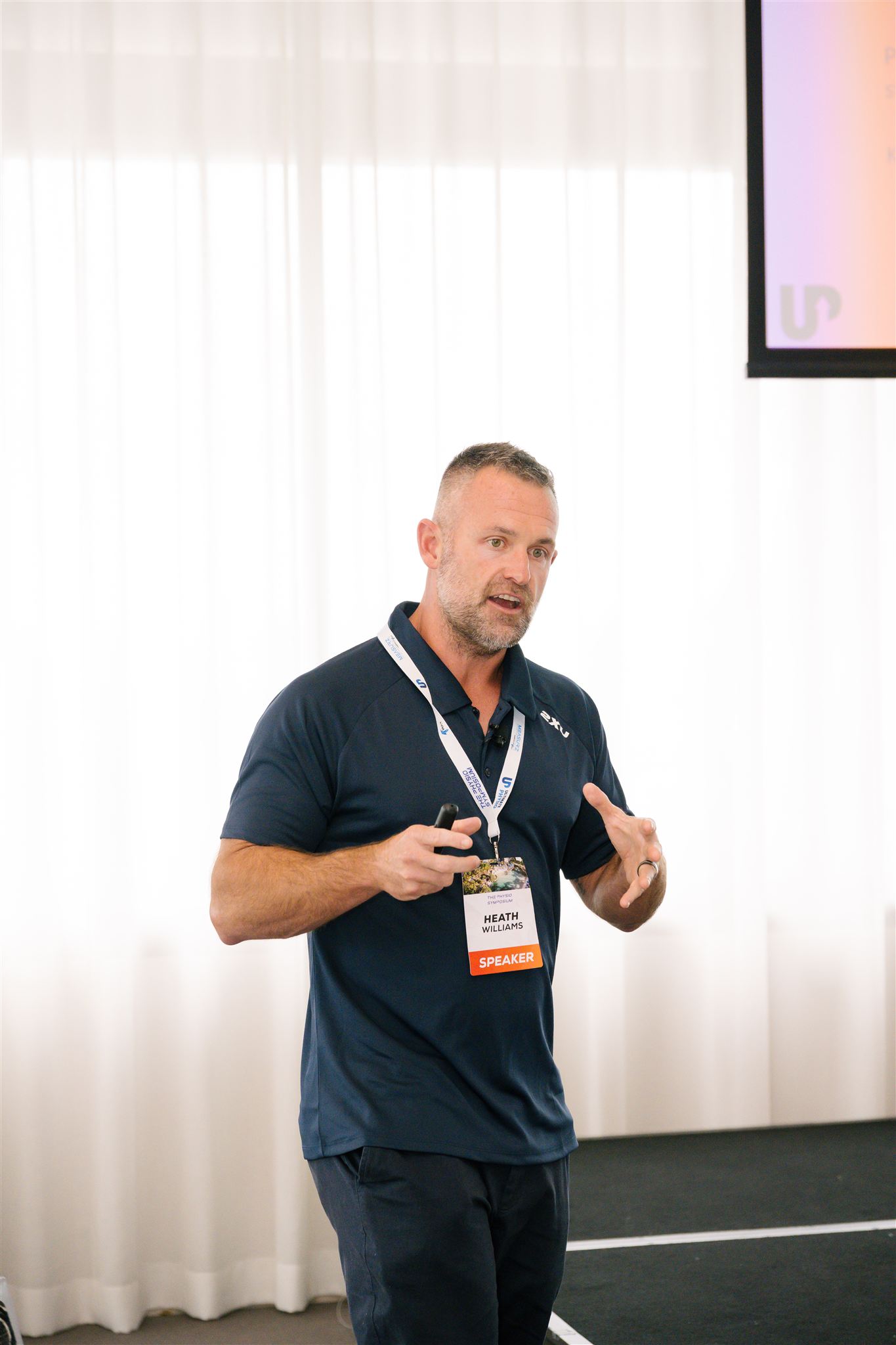
CWHA was established in 2011 by Physiotherapist Wade Brennan and Osteopath Heath Williams. Since then, we have worked with major Australian brands, universities, government departments and organisations operating across a wide range of industries.
More than 7,146 workers have been trained in manual handling and hazard identification through our programs, and we have supported more than 2,912 businesses. Our wider experience includes workplace ergonomics, workstation assessments, vehicle ergonomics and workplace health and wellbeing.
This combination of allied health knowledge and workplace risk experience allows us to look beyond basic course material. We consider how people move, how tasks are designed, how the workplace is organised and what practical changes may help employees perform their work with less unnecessary risk.
Frequently Asked Questions (FAQs)
What does manual handling training in Newcastle involve?
When training is delivered onsite, the content can be adapted around your actual tasks, materials, equipment and work areas so employees can relate the information directly to their daily duties.
Can the training be delivered at our workplace?
Onsite delivery is often useful because employees can apply the training to their own work areas, tools, materials, equipment and routine tasks rather than working only through general examples.
Do you provide manual handling risk assessments as well as training?
Assessments can be completed before training to help shape the content or alongside training as part of a broader workplace risk management program.
Is online manual handling training available?
It can also be useful for refresher training and organisations that want consistent information delivered across several workplaces.
How long does a manual handling training session take?
Many sessions run for approximately 1.5 to 2.5 hours, although the most appropriate duration for your Newcastle workplace can be confirmed when your training requirements are discussed and quoted.
Does the training help with WHS obligations?
Training should still sit alongside appropriate hazard identification, risk assessment, control measures, supervision and review. A training session by itself does not remove the need to manage risks within the workplace.