
Pre-employment functional assessments in Townsville
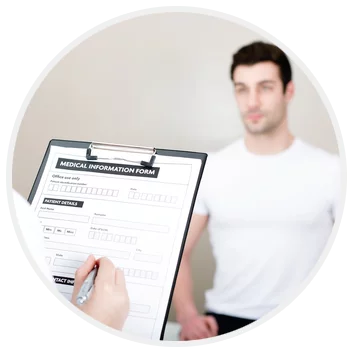
A Townsville hire might spend one shift at the depot and the next unloading equipment at a jobsite. A pre-employment functional assessment helps you understand how a candidate performs the physical tasks that are relevant to the role you’re filling.
Talk to Corporate Work Health Australia about the work, the intake and where you need the assessment to happen. We’ll discuss which checks suit the referral and confirm the booking arrangements with you.

Pre Employment Functional Assessment
Functional Capacity Evaluation
Venue options
Discuss availability and which setting fits the tasks to be assessed.
- A physiotherapy or osteopathy practice
- A dedicated consultation or assessment room on your premises
Possible assessment checks
The checks depend on the role and what the employer needs to know.
- Medical history relevant to the referral
- Prior injury history relevant to the planned checks
- Range of motion
- Strength
- Aerobic fitness
- Stability through the core and shoulders
- Ability to sustain or repeat positions and movements relevant to the job
- Lifts and carries that reflect the duties being assessed
From enquiry to findings
- Tell us about the work and which questions the assessment should answer.
- Set the scope and select the tests for the specific role.
- Arrange the candidate’s booking.
- Receive findings in a report against the physical demands covered.
Investment:
Pricing is by quotation. Ask about pricing for your Townsville referral and include the roles and the dates you are working towards.
Workstation Assessment and Training
Work From Home Assessment and Training
Online Ergonomic Assessment and Training
Vehicle Ergonomic Assessment And Training
Ergonomic Training For Health Professionals
Corporate Membership Program
Ergonomic Train The Assessor Training
FREE Ergonomic Posters & FREE Evaluation
Describe the job beyond the depot gate
In a city that handles trade through the Port of Townsville, a freight-support role can cover very different work from one employer to the next. At an equipment supplier, for example, a depot worker might take a case from a rack and transfer it onto a trolley. At a customer site, the same case might need to travel from the vehicle to a work area. The case and its contents are the same. The loading height, the route and the support available at the other end may change the physical demands considerably.
Walk through that second part of the job with someone who does it. Where does the vehicle park? Is the usual route paved, does it cross a ramp and is there a suitable trolley at the point of unloading? Ask where the worker can put the case down and whether the delivery can be broken into smaller loads. If a second person normally helps, confirm when that person would be there. A description that ends with “load vehicle” misses all of these conditions. It can also leave a candidate with an incomplete picture of the role.
Duties can shift during the day. In the morning, someone might help put items onto racks, then spend the afternoon checking stock or preparing a vehicle for the next run. A maintenance crew may spend longer preparing tools and working at floor level than carrying the equipment out. Record what a worker has to do in each setting, what repeats and what happens only in a particular assignment. Ask which parts of the job are essential for this hire and which are routinely allocated to someone else.
A useful starting point is to follow one item through the full task:
- Identify where the item starts, where it ends up and what changes between the two points.
- Describe the surfaces, heights, distances and available handling equipment.
- Estimate how often the transfer happens and check when those trips tend to cluster.
- Write down what changes when the normal equipment or a second worker is unavailable.
Give the assessor the ordinary method and describe any significant variations separately. If a worker sometimes takes an unsafe shortcut because an aid is missing, bring that up with the team responsible for the work before it becomes an assessment requirement. The assessment should reflect what the organisation expects the new worker to do. That starts with agreeing how the job itself should be carried out. Where an essential demand changes between assignments, describe both versions and say which one the person will encounter first.
For roles with high physical demands, we can include functional capacity testing to confirm a candidate can meet the job requirements.
Choose checks that fit the roster and the role
Start with the roster the candidate is likely to join. A person based at a depot may help with short runs and stock transfers most days. A person working away from the depot may spend more time getting in and out of a vehicle, setting up at different heights and using tools in places where there is less room to move. Ask the supervisor to describe a normal day for each. If the employer recruits both roles under one title, a single list of checks may miss important differences.
Then ask which duties repeat during a shift and which only come up in a particular operating condition. Suppose a worker usually carries a small parts case from a vehicle to a covered work point. On some jobs, the walk is longer and there may be stairs. List the usual distance and frequency, where pauses are possible, and whether a trolley or a different unloading point is normally available. Ask how often the stairs are part of the work. A distance recorded on a flat floor tells the assessor only part of the story if the route and the handling method change at the jobsite.
Work through demands that are hard to represent safely in a booking. Some field work takes place outdoors or in places where space, ground conditions or the weather affect the task. Talk about those conditions as part of the referral. For example, a safe simulation may help the assessor look at a specified lift or reach. Questions about the conditions under which a crew moves equipment outdoors may need a separate site discussion. Ask what the check represents, how it will be performed and how the report will describe any limits.
When two tasks seem similar, compare how much time a worker spends doing them. Picking a tool up once from a low shelf is different from working near floor level to fit several parts in sequence. Carrying one case a short distance tells you little about a series of trips with other work in between. Give the assessor the duration and pattern that matter for the job so the assessment scope reflects that requirement as closely as practical.
Decide up front what you need from the report. You might need to know how a candidate performed a particular transfer, or whether the assessment could address several sustained postures under agreed conditions. If something outside the scope still matters to the employer, make a note to review it separately. This keeps each result tied to an agreed question and helps the team avoid reading a single appointment as a verdict on every task a person might meet in the field. See how functional capacity evaluations are tailored to a role.
Employers can pair this screening with our injury management services to support staff who are hurt after starting work.
Make the appointment clear for candidates
An invitation that says only “pre-employment assessment” leaves candidates to guess what the appointment is about. Tell them it is a functional assessment arranged by the employer and name the duties being considered. If the role involves moving equipment and working at different heights, say so in plain language. The candidate should know how to confirm the venue and whom to contact if they need more information before attending. A short explanation can be particularly helpful when a candidate has already completed other recruitment appointments and is unsure what this one adds.
For a depot role, a booking note could say, “The appointment will look at physical tasks relevant to this vacancy, including moving equipment between working heights. Please contact us before the appointment if you have an access question or need to check what to bring.” Check that the language matches the assessment scope before sending it. If the checks have changed because a duty was moved to a different crew, update the invitation before the appointment.
Check the practical details once the venue is agreed. A person attending a practice needs its confirmed address and arrival instructions. Someone coming to a workplace might need to know which gate is used by visitors, whether there is a sign-in point and who will meet them. If the recruitment process is being handled by someone offsite, have a local contact check directions. Getting sent between entrances is easy to avoid and can make the start of an unfamiliar appointment a lot less stressful.
Give candidates a private way to raise questions. They may want to ask about access to the room, whether they can use an aid they normally work with, or how to raise something that could affect the appointment. Encourage them to use the agreed booking or assessment contact. A shared intake spreadsheet or group email is a poor place for information that only the person handling the appointment needs. Agree internally who should receive booking details and who should handle assessment information before invitations go out.
At the appointment, the candidate can ask the assessor about a check, explain if an instruction is unclear and say if a movement is causing difficulty. If they are unsure whether something can be changed, they can raise it before trying the task. Give them an accurate idea of what will happen and the chance to ask questions about the conditions. For employers coordinating a group intake, start with the same explanation for candidates referred for the same duties. Confirm any individual arrangements directly with the person concerned. That way the candidate and assessor arrive with the same understanding of the appointment and which role it relates to.
We also provide OHS assessments to help Townsville employers meet their workplace safety obligations.

Use the report across sites and start dates
Keep a copy of the duties that applied when the assessment was arranged. On a staged intake, the first group of workers might begin at a depot and the next crew might go straight to a field assignment. If the roles differ, compare the demands before extending the findings to the second assignment. Start with what the report actually covers. Tasks that are materially the same may give you a point of comparison. Changes in reach, travel distance, access or handling equipment give you a reason to discuss the scope again.
Imagine a person who carried a tool case between two agreed points during their assessment. The employer later moves part of the role to a site where the unloading area is farther from the work. Ask whether the new arrangement changes how the case is moved. A trolley route, a closer unloading point or a different case may change the duty itself. If there is still a material difference, discuss what additional information the employer needs before relying on the earlier assessment for that part of the role.
Where a duty was outside the scope, keep it visible as an open question. The report may describe a transfer at a particular height, for example, while the supervisor still needs to settle how equipment is handled at a new site. Read the observation against the agreed requirement and ask the assessor what the finding can support. Talk through equipment and reasonable adjustments where appropriate. Hiring and work allocation decisions remain with the employer, who can consider the assessment alongside the role requirements and the rest of the recruitment information.
Use a handover that an operations lead can follow. Record the site and role version, which demands were covered and what changed after the referral. Send assessment information through the agreed channel and involve only the people who need it. Where a supervisor simply needs to confirm the trolley or the unloading arrangement, be clear about the operational question they are being asked to answer. Keep a separate contact for questions about the assessment itself.
To discuss a Townsville booking, tell us the job titles, where people will work, how many are due to start and whether the intake is split across dates or sites. Include a short description of any task that changes between the depot and the field. If you want to explore testing on your premises, mention the room and who can answer questions about access and the space. Give us a preferred date range so we can discuss availability and the scope together. You can then plan candidate instructions around the arrangement that has actually been agreed.