
Wellness – The Research
Corporate Work Health Australia design strategies which focus on the following three key areas in helping companies reduce their injuries, improve worker health, and boost their productivity levels:
1. Lifestyle practices (voluntary health practices)
Reducing the risk or incidence of worker illness by addressing individual worker lifestyle behaviours through awareness raising, education, supportive environments, and policy.
2. Organisational change (organisational culture)
Improving job satisfaction and productivity by changing worker attitudes and perceptions, management practices, and the way work is organised. These factors have been shown to have a dramatic impact on employee health outcomes.
3. Occupational health and safety
Reducing work-related injury, illness, and disability by addressing environmental issues in the workplace, such as ergonomics, chemical hazards, and air quality.
Medibank Private provides further statistics in their research:
- Employees with poor overall health status take up to nine times more sick leave than their healthy colleagues Healthy employees are nearly three times more productive than employees with poor health.
- The financial cost of poor health and wellbeing is estimated at over $7 billion per year, nationally in Australia
- A total of 3.2 days absent per worker per year were estimated to be as a result of workplace stress
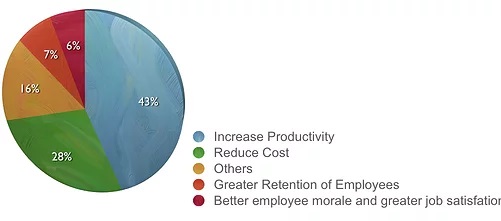
The research is here…
The link between unaddressed workplace environmental/organisational factors and worker mental health and consequent absenteeism and illness is increasingly recognised. The literature is clear about the catalysts—poor workplace culture, ineffective managers, lack of work satisfaction, work repetition, work overload, lack of work-life balance, conflict with peers and bullying and harassment. This suggests that workplaces need to be placing more focus on intervening in these areas and demonstrating a commitment to implementing and evaluating the success of such programs.
In 2008, Aegis Consulting Australia prepared a study for the Health and Productivity Institute of Australia (HAPIA) indicating that workers who rank highly in terms of health and wellbeing have the highest performance at work, while those who are less healthy and complain of chronic pain, work far less.
Research Findings:
An unhealthy employee produces only 49 hours of work each month whereas a healthy person will produce about 140 hours a month. Employees with chronic pain take an average of 18 days sick leave each year compared with just 2 days for healthy employees.
Wellness Programs Work!
COMPANIES WHO TRUST OUR TRAINING