
Manual Handling Training Toowoomba
Face-to-face, online or customised manual handling training for Toowoomba and Darling Downs workplaces.
> Training is delivered by experienced physiotherapists, osteopaths and exercise physiologists who understand hazardous manual tasks, body mechanics and workplace injury prevention.
> Manual handling training is available for Toowoomba teams in healthcare, aged care, education, agriculture-adjacent businesses, construction, manufacturing, warehousing, transport, government and office environments.
> Practical sessions can cover lifting, carrying, pushing, pulling, lowering, reaching, repetitive movements and awkward postures using examples that relate to your own workplace.
> Onsite, online and customised training options are available for single-site workplaces, regional teams and workers spread across the Darling Downs.
> A manual handling assessment can identify issues with task design, equipment, storage, layout and workflow that a standard lifting course may not address.
> Your organisation receives practical recommendations and guidance to support safer manual task habits and ongoing WHS risk management.
Corporate Work Health Australia helps organisations reduce manual task injury risk through tailored manual handling training in Toowoomba and practical workplace assessment. A program can be adapted around the actual tasks your staff perform, from moving stock and handling equipment to loading vehicles, setting up rooms, working in depots or combining office and physical duties. Services can include a manual handling assessment in Toowoomba, hazardous manual tasks education, safe manual handling training and a workplace manual handling course built around your team.
Custom Manual Handling Training
Increase Productivity, Prevent Injuries And Avoid Compensation Claims
Toowoomba workplaces need manual handling training that fits regional roles and real task demands
Work in Toowoomba does not always fit neatly into an office or industrial category. An employee might spend part of the day at a computer, then move equipment, load a vehicle, visit a worksite or handle tools, stock, patients, students or machinery. Training needs to reflect that mix rather than assume every worker completes the same task in the same environment.
Manual handling risk is also broader than one heavy lift. Repetitive movements, sustained or awkward postures, pushing and pulling, long reaches, force, unsuitable storage and poor equipment can all contribute to hazardous manual task risk. Queensland guidance identifies repetitive or sustained force, high or sudden force, repetitive movement, sustained or awkward posture and vibration among the characteristics that can make a manual task hazardous.
CWHA can tailor training around the tasks workers actually perform. Instead of relying on a generic session about lifting technique, the program can help staff recognise risks in their own work while giving managers practical information to support WHS risk management. Workplace Health and Safety Queensland specifically states that lifting-technique training alone is not suitable hazardous manual task training.
We can also tailor custom manual handling training to the specific tasks and risks in your industry.
Organisations Who Trust Our Training and Assessments
government
council

nonprofit
nonprofit
nonprofit
Organisations Who Trust Our Work From Home Assessments & Ergonomic Workstation Setup
education
university
banking

finance
insurance

superannuation

accounting
legal

technology

communication
transport

logistics

mining
resources
manufacturing

agriculture
engineering
construction

property

architecture

retail
supermarket
Manual handling training options for Toowoomba businesses, depots and regional teams
Corporate Work Health Australia can adapt delivery to the organisation’s industry, job tasks, risk profile, number of workers and training objectives. Depending on what is required, this may involve onsite training, online delivery, a manual handling assessment or customised resources that can be used again for induction and refresher training.
Onsite training using your actual work areas and equipment
Onsite manual handling training gives workers the opportunity to apply safer strategies in the environment where the work actually happens. Training may take place in depots, workshops, warehouses, stockrooms, classrooms, healthcare spaces, council facilities, retail back rooms, loading areas or office support spaces. Using familiar equipment, storage areas, surfaces and work routines makes it easier for staff to connect manual handling principles with the tasks they complete each day.
Staff who can’t attend in person can complete an online manual handling course at their own pace.
Manual handling assessments for higher-risk tasks
A manual handling assessment can identify hazardous tasks before or alongside training. The assessor may review lifting, carrying, pushing, pulling, repetitive work, awkward reaches, equipment use, working heights, grip, workflow, task frequency and staff feedback. This can be particularly useful where the underlying issue is task design, storage, equipment choice or workflow rather than worker technique alone. Queensland guidance says suitable training should address manual task risks, relevant controls, mechanical aids, equipment, safe work procedures and reporting of problems or maintenance issues.
Online training for regional and multi-site Queensland teams
Online manual handling training can support organisations with staff across Toowoomba, Highfields, Oakey, Gatton, Dalby, Warwick, Pittsworth, Goondiwindi, Roma and other regional Queensland locations. It may suit inductions, refresher sessions, supervisors, office-based manual handling and employers that need workers at several locations to receive consistent information.
Prefer us to come to you? We can deliver onsite manual handling training at your Toowoomba workplace.
Custom video resources for induction and refresher training
Some organisations benefit from custom video resources based on their own tasks, equipment and workplace examples. These can support new employees, casual teams, seasonal workers, supervisors and recurring induction requirements. For regional employers managing staff turnover, seasonal demand or several sites, reusable video content can reduce the need to organise the same face-to-face session every time a new group starts.
What your Toowoomba manual handling course can cover
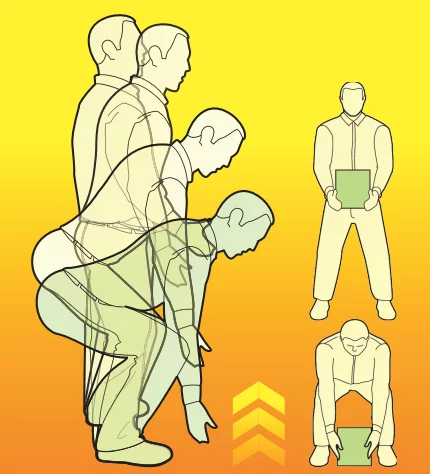
An effective manual handling course should teach workers how to recognise risk and make better decisions during real tasks. That means looking beyond basic lifting instructions. Staff may need to understand how force, repetition, awkward posture, sustained positions, load shape, grip, carrying distance, speed, fatigue and environmental conditions can change the level of risk involved in a task.
Depending on the workplace, training may cover safe principles for lifting, carrying, pushing, pulling and lowering, as well as identifying hazardous manual task risk factors. It can also address the use of trolleys, hoists, mechanical aids and other handling equipment where relevant. Other topics may include reducing twisting and overreaching, avoiding unnecessary double-handling, managing repetitive work, changing sustained positions, communicating during team handling, reviewing storage heights and access paths, and reporting discomfort or equipment problems early.
The strongest sessions connect those principles directly to the work employees already perform. Aged care teams, education staff, agriculture-adjacent businesses, warehouse workers, construction crews, retail employees and office teams all face different manual handling demands. Course content should reflect those differences instead of forcing every group through identical examples.
Manual handling assessments help find risks training alone may not solve
If workers continue reporting discomfort or injuries, another generic training session may not address the cause. The task itself may need to change. Employees might be lifting items from floor level, carrying loads over unnecessary distances, working with poorly positioned storage, pushing unsuitable trolleys or repeating the same movement for long periods.
CWHA’s manual handling assessments can help employers understand where the risk may be coming from and which controls deserve attention. Recommendations may involve equipment changes, layout adjustments, mechanical aids, different storage locations, revised workflows, team-handling strategies, safe work procedures, task rotation or further targeted training.
This follows the broader Queensland approach to hazardous manual tasks, where risks should be identified and controlled rather than relying on lifting technique as the primary solution. Workplace Health and Safety Queensland states that sprains and strains are the most common workplace injury and that hazardous manual tasks are responsible for the vast majority of them.
Industries and roles we train across Toowoomba and the Darling Downs
Manual handling risk can occur in almost any workplace, including businesses that may not think of themselves as physically demanding. Office staff still move archive boxes, furniture, deliveries or displays. Healthcare and aged care workers may assist people and move equipment, while education staff regularly handle classroom resources. Depot, maintenance and field-based workers may move tools, materials and equipment throughout the day.
CWHA can work with healthcare and aged care providers, disability and community services, schools, TAFE and education providers, councils and government teams, agriculture-adjacent businesses, rural support services, construction and maintenance crews, manufacturers, engineering workshops, warehouses, transport and distribution businesses, retailers, supermarkets, hospitality workplaces and office teams with storage or equipment-handling duties.
A practical process from risk review to safer manual task habits
Manual handling training can form part of a wider approach to managing hazardous manual tasks. Better results often come from understanding the workplace first, identifying the tasks that matter and then building training and controls around what employees actually do.
A typical process may involve understanding staff roles and current concerns, identifying relevant hazardous manual tasks, observing higher-risk work where required and delivering tailored training. Workers can then practise safer strategies using relevant examples, while managers receive recommendations and next steps. Refresher training or further review can be added where workplace tasks, equipment or risks change over time.
If you’re looking to minimise workplace risks and improve safety outcomes for your Melbourne business, speak with the team at Corporate Work Health Australia today.
Delivered by qualified health professionals with workplace safety experience
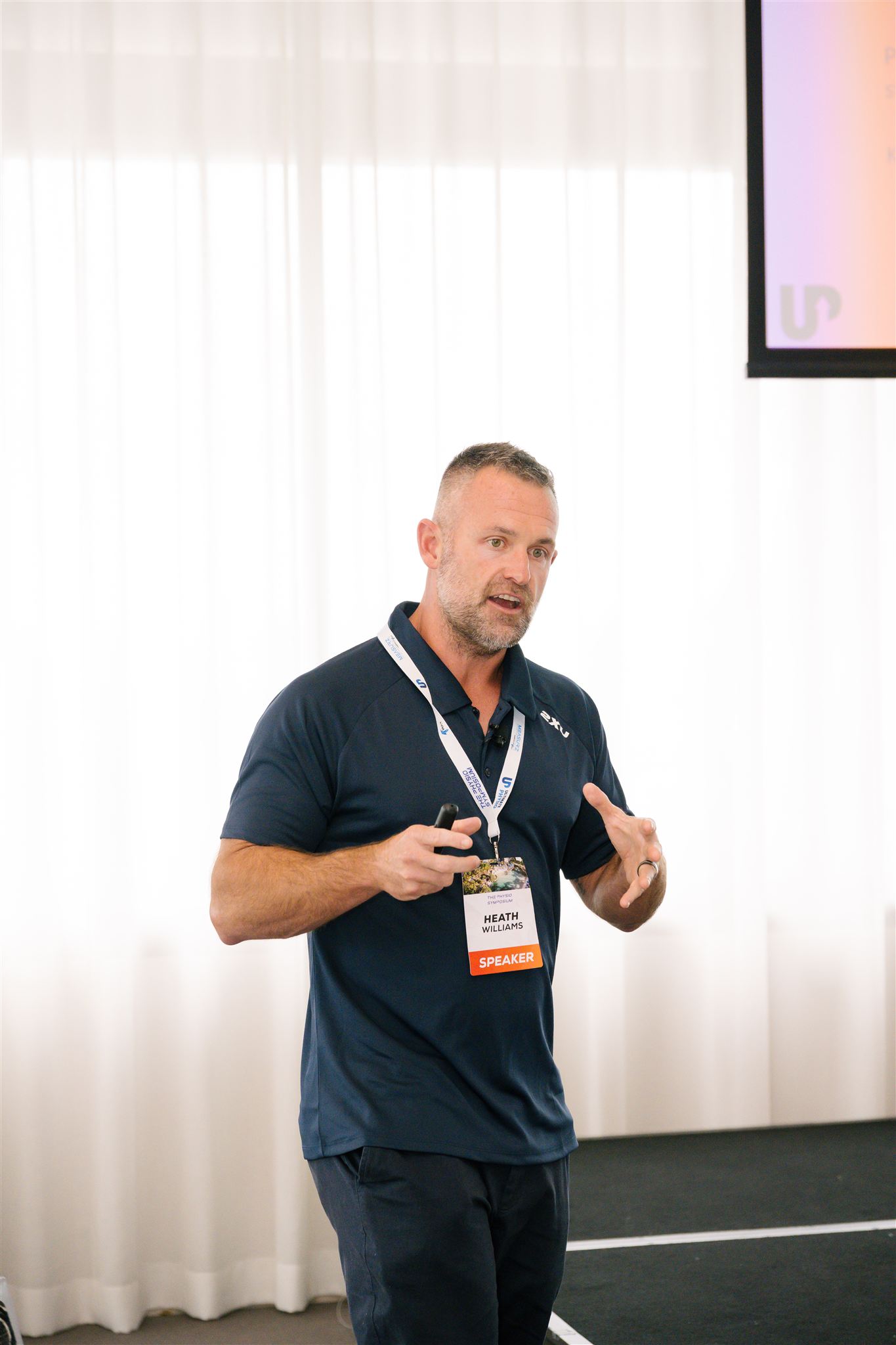
Corporate Work Health Australia’s manual handling training is delivered by qualified health professionals, including physiotherapists, osteopaths and exercise physiologists. Their clinical knowledge gives them an understanding of how the body responds to load, force, posture, repetition and fatigue, while their workplace experience allows them to turn that knowledge into practical instruction for employees and managers.
CWHA was established in 2011 by physiotherapist Wade Brennan and osteopath Heath Williams. Since then, the organisation has worked with major Australian brands, universities and government departments across a broad range of workplace health and safety programs.
More than 7,146 workers have been trained in manual handling and hazard identification, while more than 2,912 businesses have used CWHA services. The team also has experience across ergonomics, workstation assessments, vehicle ergonomics and workplace wellbeing.
Face-to-face, online and customised delivery is available across Australia. For Toowoomba employers, this means training can combine allied health knowledge, WHS understanding and practical workplace communication without relying on an off-the-shelf course.
Frequently Asked Questions
What does manual handling training in Toowoomba include?
Training may cover hazardous manual task risk factors, lifting, carrying, pushing, pulling, lowering, equipment use, team handling, early reporting and safer work practices. Workplace-specific examples can also be included so employees can apply what they learn to their usual duties.
The exact content should be tailored to the organisation’s tasks, workforce and identified risks.
Can you deliver training onsite at our Toowoomba workplace?
Yes. Onsite training allows employees to apply safer manual task principles to the equipment, layout, storage areas and job tasks they use every day.
It also gives the trainer an opportunity to use examples that are immediately relevant to the workplace rather than relying entirely on generic scenarios.
Do you provide manual handling risk assessments?
Yes. CWHA can assess hazardous manual tasks, review work practices and recommend practical controls where appropriate.
This is useful where the risk may involve task design, workflow, workplace layout, equipment, storage or repeated strain rather than technique alone.
Is online manual handling training available for regional Queensland teams?
Yes. Online delivery can support dispersed teams, induction programs, refresher sessions, supervisors and organisations with staff across Toowoomba, the Darling Downs and regional Queensland.
It can also help employers deliver a consistent training message when workers are based at multiple sites.
How long does manual handling training usually take?
Session length depends on the delivery format, group size, industry, number and complexity of tasks being covered and the level of workplace customisation required.
The appropriate duration can be confirmed during quoting once CWHA understands your training objectives and workforce.
Does manual handling training support WHS requirements?
Manual handling training can support WHS risk management, but training should form part of a broader process that includes identifying hazardous tasks, managing risks, implementing suitable controls and reviewing whether those controls remain effective.
Workplace Health and Safety Queensland states that hazardous manual task training should support other risk controls, including the correct use of equipment and safe work procedures, rather than being treated as the only solution.
Need manual handling training in Toowoomba? Corporate Work Health Australia can customise a face-to-face, online or workplace-specific program for your team.